
01 Interface
What people touch
Accessible, fast, and built from a component library your team can extend without calling us.
- React
- Next.js
- TypeScript
- Tailwind
Marcusina Full-stack development
Anyone can put up a landing page. We build everything underneath it: the interface, the API, the database and the servers that keep it running at 3am. Then we hand you the keys.
What "full-stack" actually means here
Many agencies build one layer and send you elsewhere for the rest. We handle all four.
01 Interface
Accessible, fast, and built from a component library your team can extend without calling us.
02 API
Typed endpoints, sane errors, real rate limits, and documentation generated from the code so it can't drift.
03 Data
Schemas designed before the first table exists, migrations that run in CI, and backups somebody has actually restored from.
04 Infrastructure
Deploys on every merge, environments that match, and alerts that reach a person instead of a dashboard nobody opens.
Build range
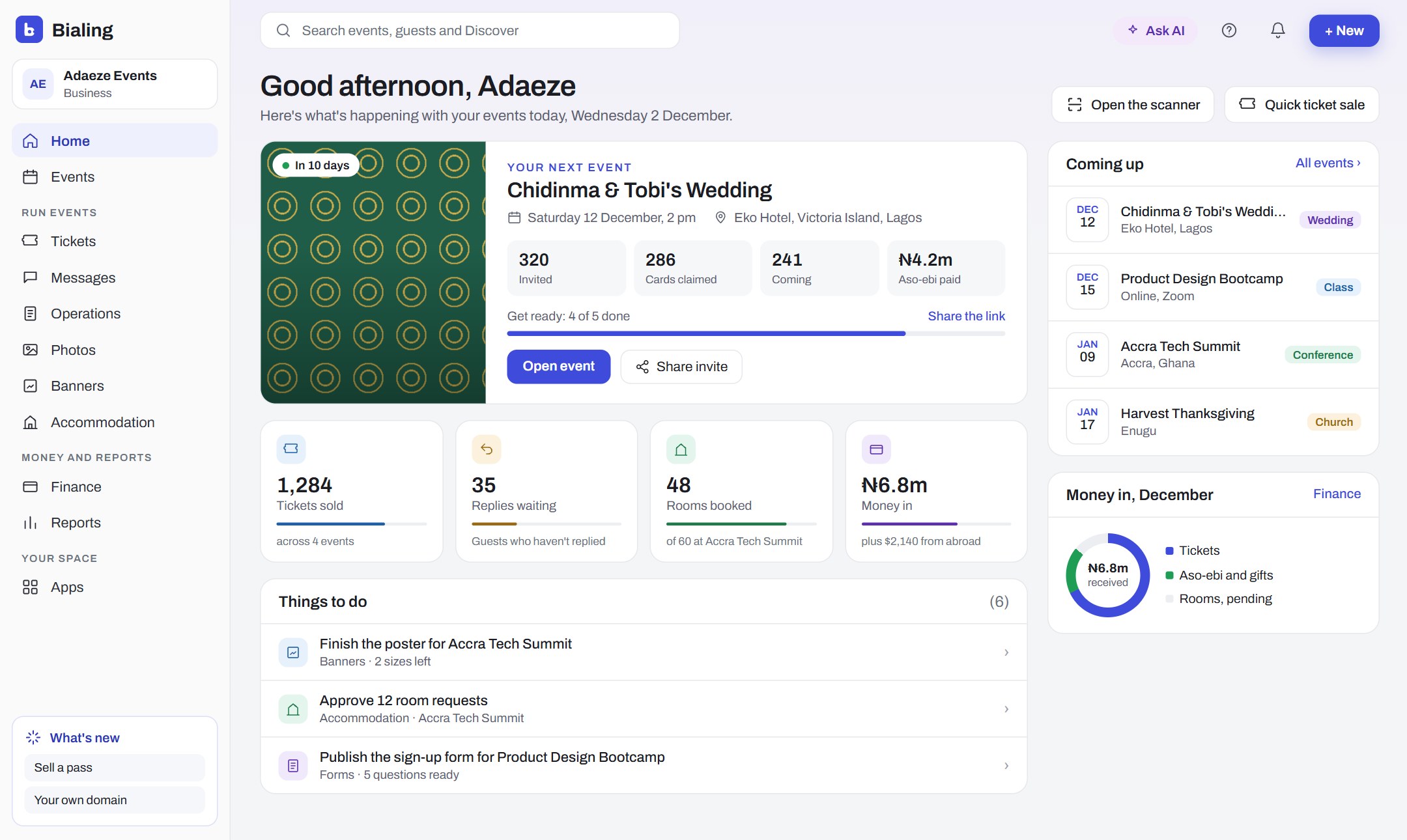
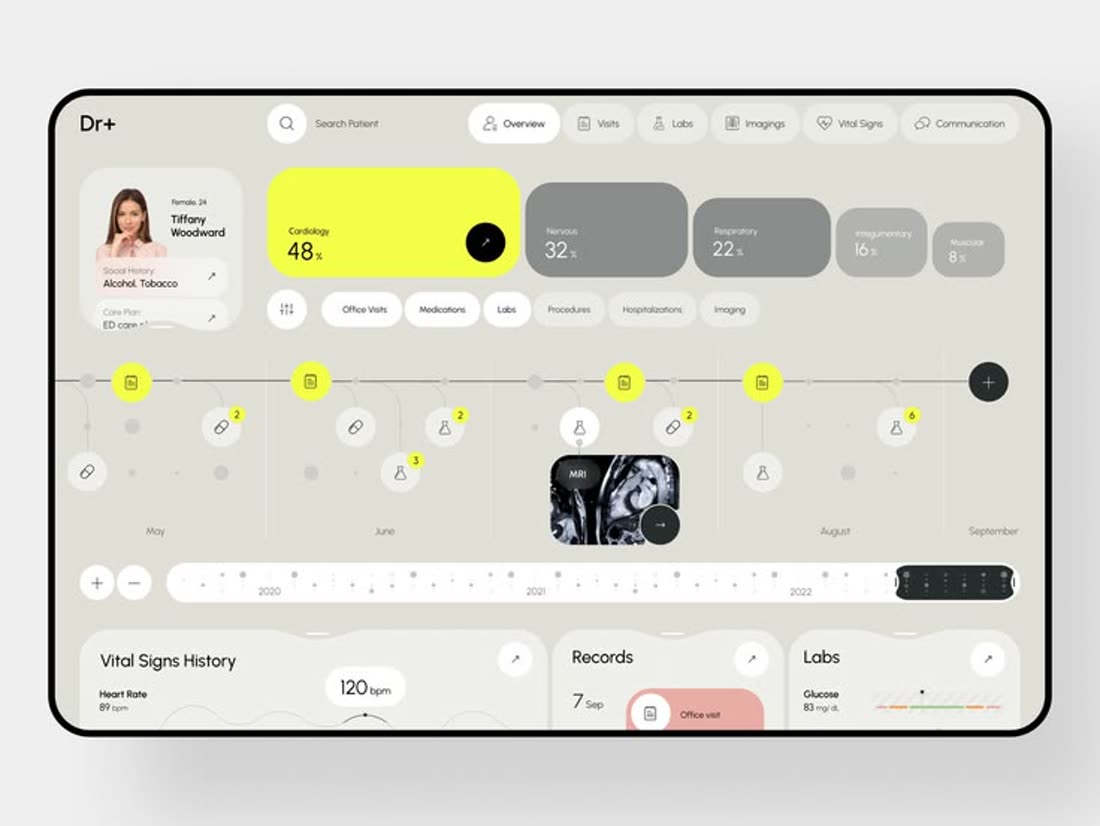
Marketing sites, product dashboards, booking flows, money movement. Tap or hover to watch it run.
How a build runs
Short cycles, a live link from week one, and room to change your mind while changes are still cheap.
A week of questions, a schema, and the honest list of what we'd cut to hit your date.
One real feature, all four layers, deployed. You click it in week two.
Fortnightly releases to a URL you can share. No big reveal at the end.
Repo, runbook, dashboards and a month of us on call while your team settles in.
Yes, all of it, from the very first day. The code lives in your GitHub, on your cloud accounts and your domains. We work inside them as helpers, and you can remove us any day without anything breaking.
Yes, and that is often the best way. We work side by side with your developers, check each other's code, and write the documentation so your team can take over. The aim is for you to need us less and less.
That is common. We spend a week reading what you have, then give you a written report: what to keep, what to replace, and what is quietly costing you money. Sometimes the answer is that you don't need us.
A fixed price for each stage, given after the first mapping week, because that is the first time anyone can give an honest price. No surprise hourly bills, and no fuss over small changes.
We do, if you take a support agreement: you get a named engineer, a clear way to escalate, and an agreed response time. If you would rather handle it yourselves, we set up the alerts and train your team before we leave.
Start here
You don't need to know what it should be built with. That is our job. Bring the workflow, the deadline and whatever keeps breaking.